
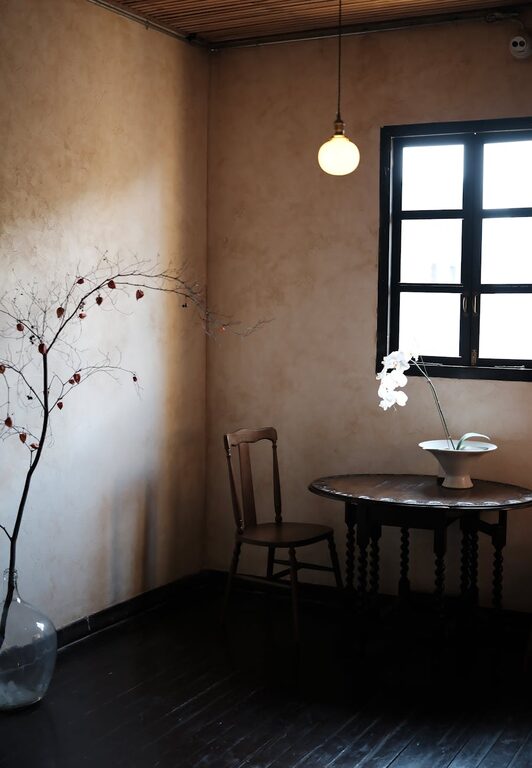
Creating a calm and quiet home environment can greatly improve your comfort, concentration, and overall wellbeing. Whether you live in a busy urban area or a noisy neighborhood, there are many simple strategies to reduce noise inside your home. This post will guide you through practical, budget-friendly ways to minimize noise disturbances and enjoy a more peaceful space.
Why Reducing Home Noise Matters
Living with constant background noise can affect sleep quality, increase stress, and make it harder to concentrate. While some noise is unavoidable, reducing unwanted sounds can create a soothing atmosphere for relaxing, working, or spending time with family.
Fortunately, you don’t always need expensive renovations or professional soundproofing to lower noise levels. Small changes and thoughtful additions around your home can make a noticeable difference.
Identify the Sources of Noise
Before taking action, it’s helpful to determine where the noise is coming from. Common sources include:
– Traffic sounds from outside
– Noisy neighbors or shared walls
– Appliances like washing machines or HVAC systems
– Footsteps or voices inside your home
– Echoes and reverberations in large or empty rooms
Knowing the source allows you to choose the most effective solutions tailored to your situation.
Simple Ways to Reduce Noise at Home
1. Use Soft Furnishings to Absorb Sound
Hard surfaces reflect sound waves, making rooms echo and amplify noise. Soft materials help absorb sound and reduce echo.
– Add rugs or carpets to floors
– Use heavy curtains or drapes on windows
– Place cushions, upholstered chairs, or fabric-covered furniture around rooms
– Hang tapestries or fabric wall art
These items add texture that dampens noise and makes your rooms feel cozier.
2. Seal Gaps and Cracks
Noise can sneak in through small openings around doors, windows, or baseboards.
– Apply weatherstripping around doors and windows
– Use door sweeps on the bottom of exterior doors
– Fill cracks in walls or around window frames with caulk
– Check for gaps around electrical outlets and cover them
Sealing these openings keeps drafts and sound from penetrating your home.
3. Rearrange Furniture Strategically
Furniture placement can help block or absorb noise.
– Position bookshelves or cabinets against shared walls
– Use a dense room divider or screen to separate noisy areas
– Create buffer zones with plants or furniture between you and noise sources
Large, filled bookshelves especially act as natural sound barriers.
4. Add Soundproofing Materials
If noise is a persistent problem, consider adding some basic soundproofing.
– Install acoustic panels or foam tiles on walls
– Use mass loaded vinyl (MLV) under carpets or behind drywall if renovating
– Hang heavy quilts or moving blankets on walls or doors
Acoustic panels are available in many styles and can blend easily with your décor.
5. Use White Noise or Soft Background Sounds
When eliminating noise isn’t possible, masking it can help.
– Use fans, white noise machines, or apps that play ambient sounds like rain or ocean waves
– Play soft instrumental music to create a calming background sound
– These sounds can distract the brain from sudden noises and improve focus or sleep
They work well especially in bedrooms or home offices.
6. Limit Noisy Appliances and Manage Their Placement
Many household appliances generate significant noise.
– Run washing machines or dishwashers during less sensitive times
– Move noisy equipment away from living or sleeping areas
– Regular maintenance of appliances can reduce sound output by keeping parts working smoothly
Even small adjustments can reduce daily noise.
7. Enhance Windows for Outside Noise
Windows are often the weakest point for sound insulation.
– Use double- or triple-paned windows if possible
– Apply window inserts for an extra soundproof layer
– Hang sound-blocking curtains designed specifically to reduce outside noise
These steps can minimize traffic or street sounds.
Additional Tips for a Quieter Home
– Encourage household members to respect quiet times and reduce loud talking or music
– Place doormats to reduce footstep noises in entryways
– Use felt pads under furniture legs to minimize scraping noises
Small habits combined with physical changes contribute to a more peaceful space.
Conclusion
Reducing noise at home doesn’t have to be complicated or costly. Using soft furnishings, sealing gaps, strategic furniture placement, and simple soundproofing can all help create a calmer, quieter living environment. Adding background noise like white noise machines and maintaining appliances also contribute to a more comfortable space.
By taking a thoughtful approach and combining these tips, you can enjoy better rest, focus, and everyday comfort in your home. Start with a few easy changes and notice how much more peaceful your space can become!